Introduction
Bhutan is a small Himalayan country known for its peaceful environment, traditional Buddhist culture and spectacular mountain landscapes. The country has a population of around 800,000 people, with communities living across mountain valleys and towns. Bhutanese culture is deeply influenced by Buddhism, which can be seen in its monasteries, dzongs, festivals, traditional architecture, clothing and daily customs. Paro, Thimphu and Punakha are among the popular destinations for experiencing Bhutan’s cultural heritage, scenic valleys and natural beauty.
Bhutan is accessible mainly by air through Paro International Airport, the country’s only international airport, while road travel connects Paro with Thimphu, Punakha and other major destinations. Bhutan is an ideal destination for families, couples and travelers looking to experience nature, culture and the traditional way of life in the Himalayas. In this Bhutan travel guide, we cover everything you need to know before your trip, including current visa or entry permit rules, Sustainable Development Fee (SDF), flights, accommodation, transportation, travel costs. the best time to visit Bhutan, how many days to stay, how to get there, the best places to visit, things to do, the Tiger's Nest hike, Bhutanese food, travel tips, and sample itineraries.
Bhutan at a Glance
Travel Fact | Bhutan |
Country | Kingdom of Bhutan |
Capital | Thimphu |
Region | Eastern Himalayas |
Main international airport | Paro International Airport |
Currency | Bhutanese Ngultrum (BTN), pegged to the Indian Rupee |
Main language | Dzongkha |
Time zone | Bhutan Time, UTC +6 |
Tourism style | Sustainable and regulated, guide required for all tourists |
Main tourist regions | Paro, Thimphu, Punakha, Phobjikha Valley, Bumthang |
Best known attraction | Tiger's Nest Monastery (Taktsang), Paro |
Planning Your Trip to Bhutan in 2027
Before booking flights, sort out five things: your visa, the SDF, travel insurance, your travel season, and how many days you have. Bhutan tourism works differently from most countries, since every foreign tourist, apart from those from India, Bangladesh and the Maldives, must book through a licensed Bhutanese tour operator, who arranges the visa, guide, transport and hotels as one package. Here is a quick snapshot before we go into the details below.
Travel Detail | What to Know |
Visa | Required for almost all nationalities; issued online, not at embassies |
SDF | USD 100 per adult per night for most nationalities (check current rate before booking) |
Main Airport | Paro International Airport |
Currency | Bhutanese Ngultrum (pegged to the Indian Rupee) |
Ideal First Trip | Around 7 to 10 days |
Main Tourist Areas | Paro, Thimphu, Punakha, Phobjikha and Bumthang |
Why Visit Bhutan in 2027?
Himalayan landscapes: Bhutan's land rises from about 200 meters in the southern plains near Phuentsholing to over 7,000 meters at Gangkhar Puensum, the country's highest peak. In between, you get river valleys like Punakha at 1,240 meters and high passes like Dochula at 3,100 meters, all within a few hours' drive of each other.
Buddhist culture: Sites like Kyichu Lhakhang in Paro, built in the 7th century, and Jambay Lhakhang in Bumthang are still active places of worship, not museum pieces. Prayer flags line mountain passes such as Dochula and Chele La.
Dzongs and monasteries: Punakha Dzong, built in 1637 at the meeting of the Pho Chhu and Mo Chhu rivers, and Tashichho Dzong in Thimphu, home to the government and the central monastic body, show how these fortress monasteries still run daily religious and administrative life.
Traditional architecture: Thimphu's building code requires sloped roofs and carved wooden windows even on modern buildings, which is why Bhutan's capital has no high rises. Paro town's main street is lined with wooden shopfronts built in the same traditional style.
Nature and conservation: Jigme Dorji National Park in the north and the Royal Botanical Park at Lampelri, near Dochula Pass, protect large areas of forest and are home to species like the takin, Bhutan's national animal.
Festivals: Thimphu Tshechu, held at Tashichho Dzong, and Paro Tshechu, held at Rinpung Dzong, are two of the biggest festivals, with masked dances performed over several days.
Village life: Phobjikha Valley, near Gangtey, and the farming villages around Punakha still run on rice and potato farming, with terraced fields visible right from the road.
Wellness and spiritual travel: Farmhouses around Punakha and Paro offer traditional hot stone baths, while short walks to Gangtey Monastery in Phobjikha or Tango Monastery near Thimphu suit travelers wanting a quieter pace.
Responsible tourism: Every tourist (apart from those from India, Bangladesh and the Maldives) pays the Sustainable Development Fee and travels with a licensed guide, a system Bhutan applies from Paro airport onward to manage visitor numbers at major sites like Tiger's Nest.
Visa, Entry Requirements and the Bhutan SDF
Bhutan Visa Requirements
Almost every foreign passport holder needs a visa to enter Bhutan. Indian, Bangladeshi and Maldivian nationals follow a separate, simplified entry process and do not need the standard tourist visa. Everyone else applies for a visa online through the Department of Immigration's portal, and there is no walk-up visa or embassy visa for tourists. In practice, most travelers let their tour operator handle the visa application as part of the booking, since it needs to be submitted alongside confirmed dates and an itinerary. For the current application process and any nationality specific notes, check the official immigration site at immi.gov.bt.
Sustainable Development Fee
The Sustainable Development Fee, usually shortened to SDF, is a nightly government charge separate from the visa fee. Bhutan introduced it to fund healthcare, education, conservation and infrastructure, and to keep tourist numbers at a level the country's roads, guides and heritage sites can support comfortably.
As of 2026, the SDF is USD 100 per adult per night for most international visitors, a rate that has been confirmed through 31 August 2027. Children aged 6 to 11 pay half that amount, and children under 6 are exempt. Indian, Bangladeshi and Maldivian nationals pay a much lower regional rate, charged in Ngultrum or Indian Rupees rather than US dollars.
The visa fee is a one time charge of USD 40 per person and is not the same thing as the SDF, which is charged for every night of your stay. Some tour packages quote the SDF separately from the tour cost, while others build it in, so always check what is included when comparing prices. For the official current rate and any exemptions, see Visit Bhutan's SDF page and the Ministry of Foreign Affairs visa page.
Best Time to Visit Bhutan
Bhutan has four distinct seasons, and the best time to visit depends on whether you care more about clear mountain views, trekking conditions, festivals, or fewer crowds.
Season | Months | What to Expect |
Spring | March to May | Pleasant weather, blooming rhododendrons and good trekking conditions |
Summer | June to August | Green valleys, monsoon rain and fewer tourists |
Autumn | September to November | Clear skies, strong mountain views and most major festivals |
Winter | December to February | Cold temperatures, quiet travel and clear days in many lower valleys |
Autumn and spring are generally considered the best time to visit Bhutan for first timers, since they combine good weather with manageable road conditions. Winter suits travelers who prioritize quiet sites and don't mind cold mornings, especially in Thimphu and Paro. Summer is the least popular season because of rain and cloud cover, though it is a reasonable time to visit if your main interest is greenery rather than mountain views.
How to Get to Bhutan
Flying to Paro International Airport
Paro International Airport is Bhutan's only international airport and sits in a valley surrounded by mountains, which is why only a small number of specially trained pilots are certified to land there. It is a small, single runway airport, so flight schedules can be limited and weather sensitive, particularly in the monsoon months.
Kathmandu to Paro
Kathmandu is one of the most useful gateway cities for reaching Bhutan, since it connects well with international flights and makes it easy to combine a Bhutan trip with time in Nepal. The Kathmandu to Paro route is short and scenic, often giving good views of the Himalayan range on a clear day. Flight schedules and frequency change between seasons, so confirm current timings with your airline or operator before booking your onward travel.
Entering Bhutan by Land
It is possible to enter Bhutan by road from India, mainly through the border town of Phuentsholing, but this route is usually chosen by travelers coming from eastern India or those on longer overland itineraries rather than first time visitors flying in from further away. Land entry rules and permitted crossing points can change, so check with the Department of Immigration or your tour operator before planning a land route.
How Long Should You Spend in Bhutan?
Because Bhutan is mountainous, journeys between towns take longer than the map distance suggests, and this should shape how many days you plan for.
Trip Length | Suitable For |
5 to 6 days | A short first visit covering Paro, Thimphu and Punakha |
7 to 10 days | A balanced Bhutan itinerary with more valleys and pacing |
10 to 14 days | Deeper cultural travel, including central Bhutan |
14+ days | Trekking routes and slower, more remote travel |
A 7 to 10 day Bhutan itinerary is generally the sweet spot for a first trip, giving you time for Paro, Thimphu, Punakha and at least one more valley without rushing between sites.
Is Bhutan Safe to Visit?
Bhutan has a low crime rate and is generally considered a safe country for tourists, including solo travelers. Petty theft is uncommon, and violent crime against visitors is rare. The main safety considerations in Bhutan are practical rather than related to crime.
Road Conditions and Mountain Travel
Roads in Bhutan wind through mountain passes and can be narrow, with landslides or temporary closures possible during the monsoon season. A journey that looks short on a map can take several hours because of these conditions, so itineraries should build in realistic travel time rather than treating distances the way you would on a flat highway.
Altitude and Trekking
Most of Bhutan's main tourist towns, including Paro, Thimphu and Punakha, sit at altitudes that most travelers adjust to without issue. Altitude becomes more relevant if you are trekking into higher passes or spending time in areas above 3,000 meters, where it is worth pacing yourself and staying hydrated. Anyone with existing health conditions should speak to a doctor before a Bhutan trek and take out travel insurance that covers emergency evacuation, since medical facilities outside Thimphu are limited.
Getting Around Bhutan
All tourist travel inside Bhutan is done with a licensed guide and a private vehicle, which is arranged as part of your tour booking rather than something you organize independently. There is no public transport network set up for tourists, and self driving is not an option for foreign visitors.
Route | Travel Consideration |
Paro to Thimphu | Short mountain road journey |
Thimphu to Punakha | Mountain road with a pass and scenic viewpoints |
Punakha to Phobjikha | Longer mountain journey through changing landscapes |
Paro to Bumthang | Long road journey; some travelers use a domestic flight instead |
Domestic flights within Bhutan exist on select routes and can save significant time on longer itineraries, particularly if you are heading into central Bhutan and back within a limited number of days.
Where to Go in Bhutan
Paro: Home of Tiger's Nest
Paro Valley is usually the first and last stop on a Bhutan trip, since it holds the international airport. It is best known for Taktsang Monastery, or Tiger's Nest, built into a cliff above the valley. Paro also has Rinpung Dzong, the Kyichu Lhakhang temple, one of Bhutan's oldest, and a town center lined with traditional wooden houses.
Thimphu: Bhutan's Mountain Capital
Thimphu is Bhutan's capital and largest town, though it still feels small and low rise compared to most capital cities. Highlights include the giant Buddha Dordenma statue overlooking the valley, Tashichho Dzong, the Memorial Chorten, and local markets selling textiles, crafts and produce. It is also a good place to see traditional arts and crafts being made.
Punakha: Rivers, Rice Fields and a Famous Dzong
Punakha sits at a lower, warmer elevation than Thimphu and is home to Punakha Dzong, widely considered Bhutan's most beautiful fortress, set at the meeting point of the Pho Chhu and Mo Chhu rivers. The valley is lined with rice fields, and a short walk leads to the Khamsum Yulley Namgyal Chorten, a temple with sweeping views over the countryside.
Phobjikha Valley: Nature and Mountain Views
Phobjikha, near the village of Gangtey, is a wide glacial valley known for its rural landscapes and as the winter home of the endangered black necked crane. It has a quieter, more rural feel than Paro or Thimphu and appeals to travelers who want time in nature alongside the cultural sites.
Bumthang: Temples and Traditional Bhutan
Bumthang, centered around the town of Jakar, is considered the spiritual heart of Bhutan and holds some of its oldest temples and monasteries. It sits further from Paro than the other main valleys, which is why it usually appears on longer itineraries rather than short first trips.
Things to Do in Bhutan
Hike to Tiger's Nest, Bhutan's most iconic monastery and a highlight for most visitors.
Visit Bhutanese dzongs, the fortress monasteries that double as government and religious centers.
Explore monasteries and temples across Paro, Thimphu and Bumthang.
Walk through traditional villages to see rural Bhutanese life.
Visit local markets for textiles, produce and handicrafts.
Experience a Bhutanese festival if your dates align with one.
Explore Punakha Valley on foot, including the walk to Khamsum Yulley Namgyal Chorten.
Visit Phobjikha Valley for its landscapes and, in winter, black necked cranes.
Try Bhutanese food, especially in a local farmhouse setting.
Consider a Bhutan trekking route if you have extra days and want to go further off the main circuit.
Tiger's Nest Hike: What First Time Visitors Should Know
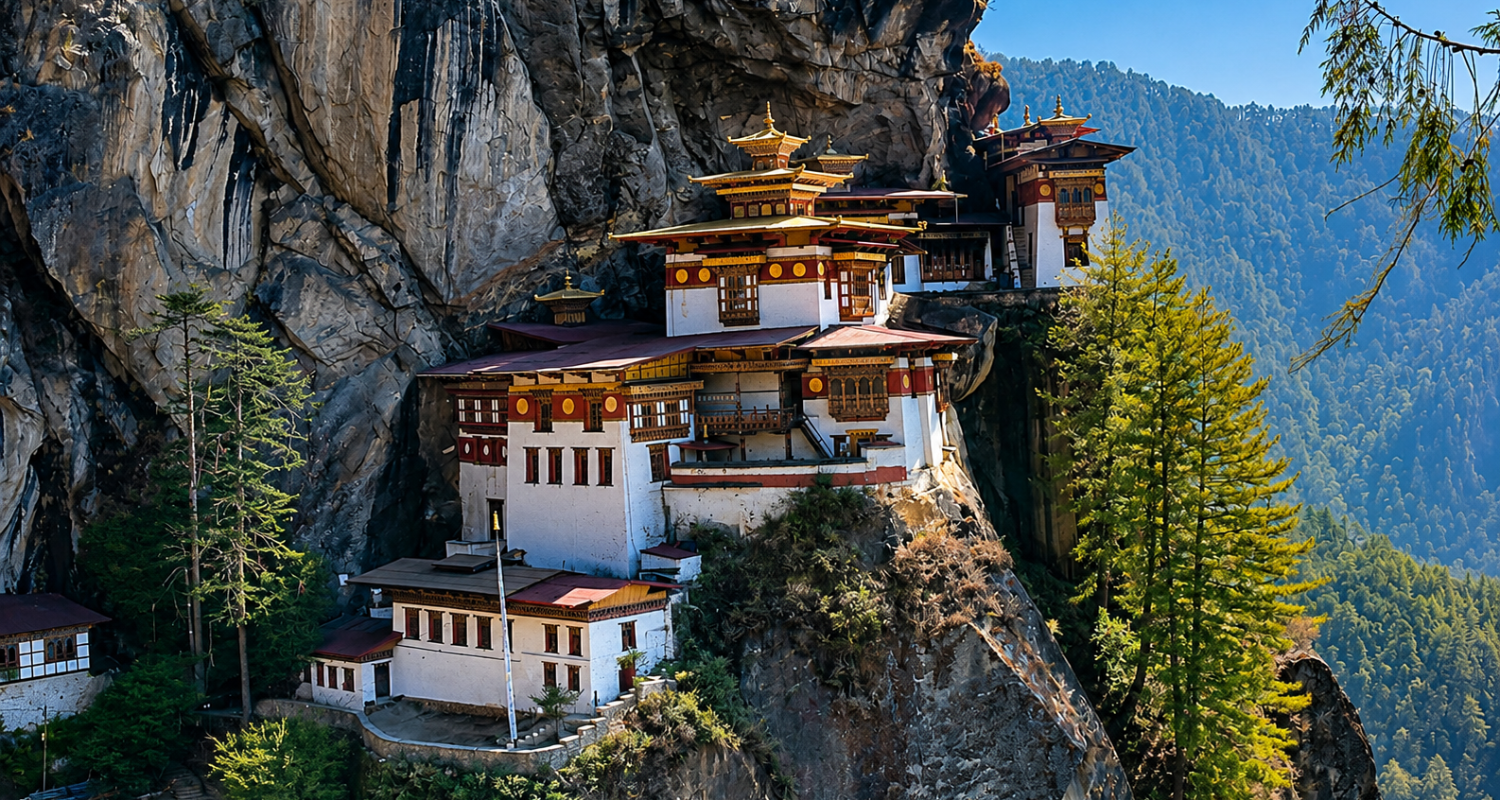
Tiger’s Nest, officially called Taktsang Monastery, is one of Bhutan’s most important Buddhist sites. It stands on a cliff at about 3,120 meters, around 900 meters above Paro Valley. According to Bhutanese Buddhist tradition, Guru Rinpoche, also known as Padmasambhava, came here in the 8th century riding a tigress and meditated in a cave. The monastery was built around this sacred cave in the 17th century and is now an important pilgrimage site. Its dramatic location, surrounded by pine forests, cliffs, waterfalls, and mountain views, makes it one of Bhutan’s most beautiful landmarks.
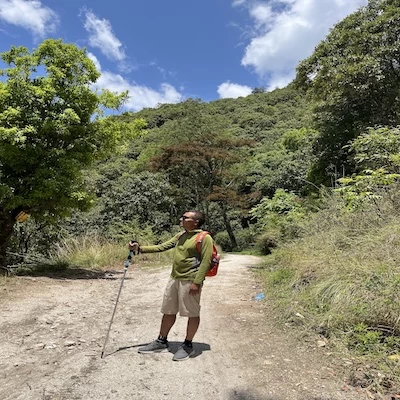
The hike takes about 4 to 5 hours for a round trip and is moderately difficult. The trail is steep in some places but does not require climbing skills. The halfway viewpoint offers a beautiful view of the monastery across the valley. Start early to avoid the heat and crowds, wear comfortable walking shoes, and carry water and sun protection. Visitors must dress modestly inside the monastery, and photography is not allowed inside the temple buildings. Take your time and enjoy the peaceful forest, mountain scenery, and unique cliffside setting.
Bhutanese Festivals and Local Culture
Festivals, known locally as tshechus, are among the most important events in Bhutanese religious and community life, held at dzongs and monasteries around the country throughout the year.
What Happens at a Bhutanese Festival?
A tshechu typically features masked dances performed by monks and laypeople, traditional music, and religious performances tied to Buddhist teachings. Local communities dress in their finest traditional clothing and travel from surrounding villages to attend, making festivals as much a social occasion as a religious one.
Planning Your Trip Around a Festival
Festival dates are set according to the Bhutanese lunar calendar and change from year to year, so always confirm the current dates for your travel year before booking rather than relying on a fixed date from a previous year's guide.
Bhutanese Food, Accommodation and What to Pack
Bhutanese Food You Should Try
Bhutanese cuisine is built around rice, vegetables and generous use of chili. Worth trying:
Ema Datshi, chili and cheese, considered the national dish
Red rice, a Bhutanese staple with a nutty flavor
Momos, steamed or fried dumplings
Phaksha Paa, pork cooked with chili and radish
Jasha Maru, a spiced chicken dish
Butter tea, a savory tea common in mountain regions
Ara, a traditional home brewed spirit
Bhutanese food can be quite spicy for visitors who aren't used to it, and most restaurants and guides are happy to prepare milder versions on request.
Where to Stay in Bhutan
Accommodation ranges from comfortable mid range hotels to boutique properties, simple guesthouses, working farm stays, and a small number of high end luxury resorts. Most tour packages are structured around a particular accommodation tier, so it's worth deciding early whether you want a standard, boutique or luxury experience, since this affects both cost and the overall feel of the trip.
What to Pack for Bhutan
Comfortable walking shoes for both towns and hikes
Warm layers, even in the warmer months, since evenings turn cold
A rain jacket, particularly in summer
Sun protection and sunglasses for high altitude sun
A reusable water bottle
A small daypack for day hikes and temple visits
Personal medicines, since options outside Thimphu are limited
Modest clothing for temples and monasteries, covering shoulders and knees
What you pack will depend on the season and how much time you spend at higher altitude, so check the expected weather for your specific travel dates.
Bhutan Travel Cost in 2027
Bhutan trip cost is shaped by several fixed government charges plus variable choices around accommodation and activities.
Expense | What Affects the Cost |
SDF | Current official nightly rate and number of nights in country |
Visa | Current official fee, which varies by nationality group |
Flights | Departure city, airline and season |
Hotels | Property type, from standard to boutique to luxury |
Transportation | Route length and vehicle type |
Guide | Group size and length of tour |
Activities | Optional treks or specialist experiences |
Tour Length | Number of days and what's included in the package |
The SDF and visa fee are fixed government charges, while everything else depends on the style of trip you choose. A private, guide led tour with a mid range hotel will cost noticeably less per day than a luxury itinerary with boutique properties and private experiences, even though both pay the same government fees. Always confirm current SDF and visa figures with your operator or the official sources before finalizing your budget, since these rates are reviewed periodically.
Sample Bhutan Itineraries
These Bhutan itineraries are designed for different travel styles and trip lengths. Choose a short route for the main highlights, or stay longer to explore rural valleys and central Bhutan.
5 Day Bhutan Itinerary
Suitable for: First-time visitors, short holidays, and travelers combining Bhutan with Nepal or India.
Route: Paro, Thimphu, Punakha, Paro
Day 1: Paro to Thimphu, Memorial Chorten, Buddha Dordenma and Tashichho Dzong.
Day 2: Thimphu to Punakha via Dochula Pass, Punakha Dzong and suspension bridge.
Day 3: Punakha to Paro, Kyichu Lhakhang and Paro town.
Day 4: Tiger's Nest hike, Drukgyel Dzong and local farmhouse experience.
Day 5: Departure from Paro.
7 Day Bhutan Itinerary
Suitable for: Couples, first-time visitors, cultural travelers, and those wanting a comfortable pace.
Route: Paro, Thimphu, Punakha, Gangtey, Paro
Day 1: Paro to Thimphu, light sightseeing and welcome dinner.
Day 2: Thimphu sightseeing, Buddha Dordenma, Memorial Chorten and local crafts.
Day 3: Thimphu to Punakha via Dochula Pass, Chimi Lhakhang and Punakha Dzong.
Day 4: Punakha to Gangtey, Gangtey Monastery and Phobjikha Valley.
Day 5: Gangtey to Paro through Punakha and Dochula.
Day 6: Tiger's Nest hike and Paro Valley sightseeing.
Day 7: Departure from Paro.
10 Day Bhutan Itinerary
Suitable for: Travelers wanting to explore beyond the main tourist circuit and experience central Bhutan.
Route: Paro, Thimphu, Punakha, Phobjikha, Trongsa, Bumthang, Paro
Day 1: Paro to Thimphu.
Day 2: Explore Thimphu, monasteries, markets, crafts and local life.
Day 3: Thimphu to Punakha via Dochula Pass and Chimi Lhakhang.
Day 4: Punakha to Phobjikha, Gangtey Monastery and valley exploration.
Day 5: Phobjikha to Trongsa, Trongsa Dzong and Ta Dzong.
Day 6: Trongsa to Bumthang through central Bhutan.
Day 7: Explore Bumthang, Jakar Dzong, Kurjey Lhakhang and Jambay Lhakhang.
Day 8: Bumthang to Paro, with a domestic flight considered where available.
Day 9: Paro Valley and Tiger's Nest hike.
Day 10: Departure from Paro.
Planning a Bhutan Tour with Thamel Travels and Tours
Since every Bhutan trip is arranged through a licensed operator, choosing one that plans around your actual interests, rather than a fixed template, makes a real difference. We put together Bhutan journeys based on trip length, budget, whether you're traveling as a couple, a family, or solo, and whether you're more interested in culture, trekking, or a slower luxury pace. Some travelers want a short, well paced introduction; others want to go further into central Bhutan or add a trek.
You can see how these different styles come together in our Bhutan tour packages, which range from short first time itineraries to longer, more exploratory routes through central Bhutan.
Can You Combine Bhutan with Nepal and Tibet?
Bhutan, Nepal and Tibet sit close together across the Himalayas and share a strong thread of Buddhist heritage, which makes combining them a natural fit for travelers who want to see more of the region in one trip. Kathmandu works well as a hub, since it connects easily to Paro and also serves as the starting point for overland or flight routes into Tibet.
Many travelers pair a Bhutan trip with a Nepal itinerary, using Kathmandu as the base before or after Bhutan. Our Nepal Bhutan tours are built around this kind of combined Himalayan journey.
For those with more time, a longer route bringing all three countries together is worth considering. Our 19 day Nepal Bhutan Tibet trip is designed for travelers who want a fuller picture of the Himalayas rather than a single country visit.
Frequently Asked Questions
Is Bhutan expensive to visit in 2027?
Bhutan costs more per day than most Southeast Asian destinations, mainly because of the SDF and the requirement to travel with a guide. It is not out of reach for most travelers, but it does require more upfront budgeting than a typical backpacking trip.
How much is the Bhutan Sustainable Development Fee?
For most nationalities, the SDF is USD 100 per adult per night, with reduced rates for children and a separate, lower rate for Indian, Bangladeshi and Maldivian nationals. Always confirm the current rate before booking, since government fees are reviewed periodically.
Do I need a visa to visit Bhutan?
Yes, almost all nationalities need a visa, applied for online rather than at an embassy. Indian, Bangladeshi and Maldivian nationals follow a different, simplified entry process.
What is the best time to visit Bhutan?
Autumn and spring generally offer the clearest weather and best mountain views, along with most major festivals. Winter suits travelers who prefer quiet sites, while summer brings rain but fewer crowds.
How many days are enough for Bhutan?
A 7 to 10 day itinerary is enough for a well paced first trip covering Paro, Thimphu, Punakha and at least one additional valley. Shorter 5 day trips are possible but move faster.
Is Bhutan safe for tourists?
Yes, Bhutan has a low crime rate and is considered safe for tourists, including those traveling solo. The main things to plan around are mountain road conditions and altitude at higher elevations, not personal safety.
How do I get to Bhutan from Nepal?
Most travelers fly from Kathmandu to Paro, a short flight that is often paired with a wider Nepal Bhutan itinerary. Flight schedules vary by season, so check current timings before booking.
How difficult is the Tiger's Nest hike?
The hike is moderately challenging, with a well maintained but steep trail and a round trip of roughly three to five hours. It is manageable for most reasonably fit travelers without technical climbing skills.