Introduction
Nepali food is more than a meal. It is a delicious way to experience Nepal’s culture, traditions, and way of life. From the warm spices of Kathmandu Valley to hearty mountain dishes, Nepali cuisine brings together fresh local ingredients, traditional cooking methods, and flavors shaped by the country’s diverse geography and communities.
The beauty of Nepali food is its variety and balance. Rice, lentils, vegetables, herbs, spices, meat, and fermented foods come together to create simple but flavorful dishes. Popular foods such as dal bhat, momo, thukpa, sel roti, and Newari dishes each tell a different story about Nepal. For travelers, tasting Nepali food is one of the best ways to experience local culture and discover a side of Nepal beyond its mountains and famous tourist attractions.
In this guide, we explore 10 Nepali foods worth trying in 2026, including their flavors, cultural importance, and where travelers are most likely to enjoy them during a trip to Nepal.
What Is Nepali Food Like?
Nepali food is diverse because Nepal has different landscapes, climates, and communities. In the Kathmandu Valley, Newari cuisine offers rich flavors and traditional dishes, while the hills are known for everyday meals such as dal bhat with seasonal vegetables. In the Himalayan regions, Tibetan influences can be found in foods such as thukpa and momo, while the Terai has stronger North Indian influences.
The beauty of Nepali food is in its simple ingredients and rich flavors. Rice, lentils, vegetables, herbs, spices, and locally grown grains are used in many traditional dishes, but every region has its own taste and cooking style. For travelers, trying Nepali food is a delicious way to experience the country’s culture, traditions, and local way of life.
10 Local Dishes Every Traveler Should Try in 2026
Dal Bhat: The National Dish
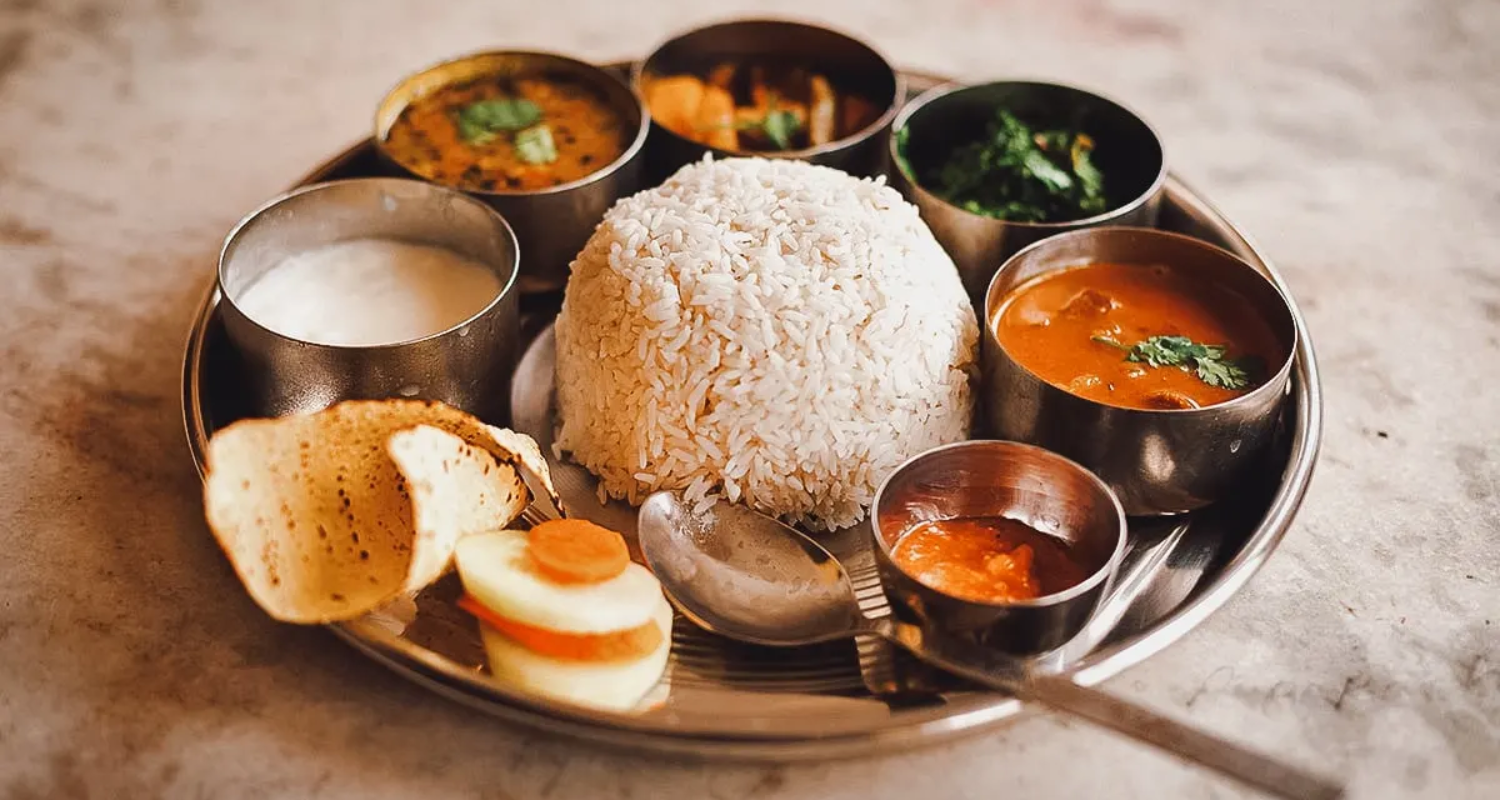
Dal bhat is lentil soup poured over steamed rice, served with a vegetable curry, pickle, and often a side of greens, refilled as many times as you want at most local restaurants. It is less a single recipe than a daily format every region fills differently, from thinner, spicier versions near the Terai to the layered Thakali style built around jimbu, a wild Himalayan herb fried in ghee just before serving.
Steamed rice
Lentil soup, usually masoor or black gram
A seasonal vegetable curry
Pickle or achar
Sautéed greens, often spinach or mustard leaf
You will eat dal bhat everywhere, from a trekking lodge in Langtang to a roadside bhojanalaya in Kathmandu, and the portions reflect the phrase locals use about it: dal bhat power, twenty four hour. On our journeys between Kathmandu and Lumbini for the Buddha Jayanti pilgrimage, our own guides still order dal bhat for themselves at the end of a long day.
Momo: Nepal's Favorite Dumpling
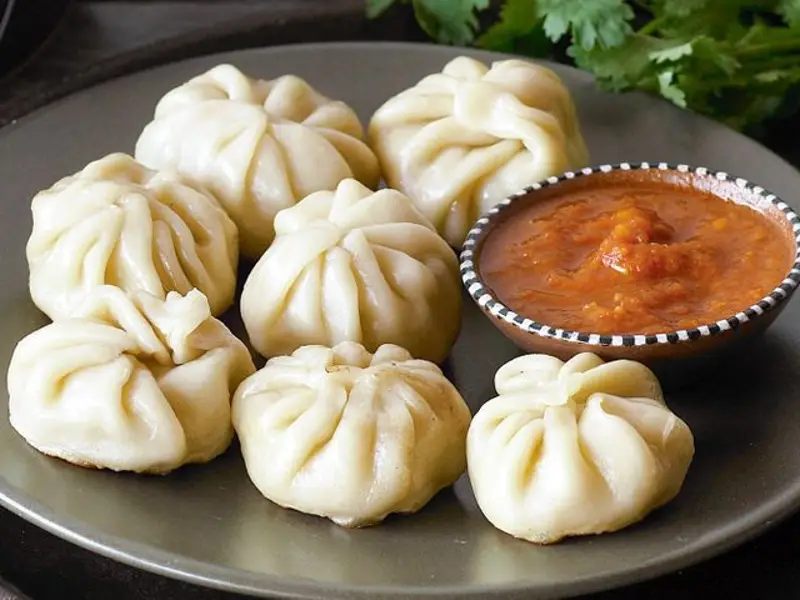
Momo arrived in Nepal through Tibetan trade routes and became a national obsession, steamed or pan fried dumplings filled with buffalo, chicken, or vegetables and folded by hand into small pleated shapes. Order them fresh and you get a thin wrapper, a juicy filling, and tomato based achar that is often spicier than the momo itself.
Minced buffalo, chicken, or vegetable and paneer filling
Ginger, garlic, and Nepali spices
Thin dough wrapper, pleated by hand
Tomato sesame achar for dipping
In Thamel and Kathmandu's Newar neighborhoods you will find momo stalls that have perfected one recipe for decades, and comparing a jhol momo in warm broth against a dry fried version is a good way to spend an afternoon between sightseeing stops.
Sel Roti: The Festive Rice Ring
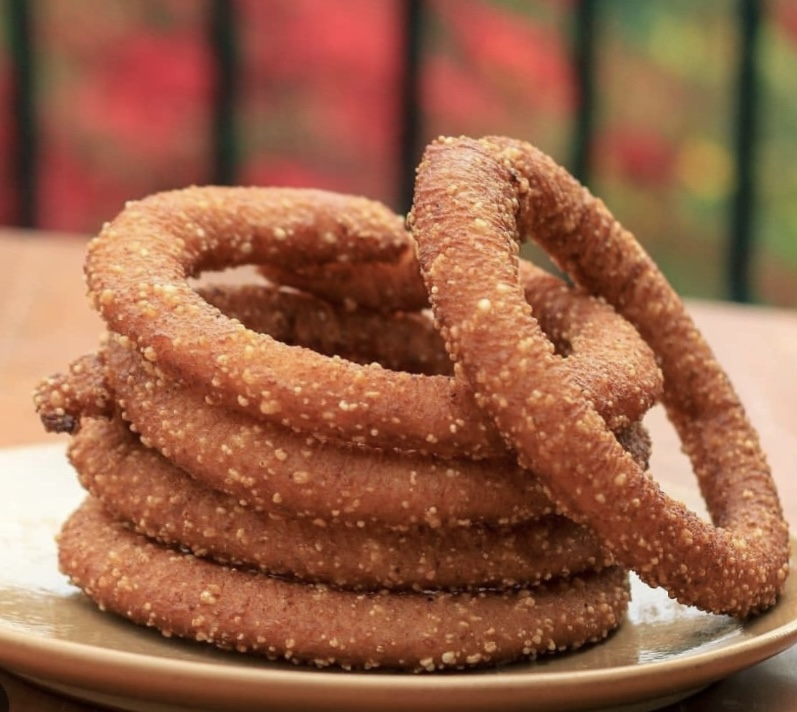
Sel roti is a ring shaped, deep fried bread made from fermented rice flour batter, crisp outside and soft and slightly sweet inside. Families make large batches ahead of Dashain and Tihar, and the smell of sel roti frying in mustard oil is a clear signal a festival is underway.
Soaked, ground rice flour
Sugar, ghee, and mashed banana in the batter
Cardamom or other warm spices
Deep fried into a golden ring
You are most likely to be offered sel roti as a guest during Dashain, Nepal's biggest festival, or during Tihar, the festival of lights, when it is served alongside sweets and lit oil lamps. If you want to time a trip around Nepal's festival calendar, our festival tours and our festivals blog are good starting points for planning when to arrive.
Samay Baji: A Newari Feast on a Plate
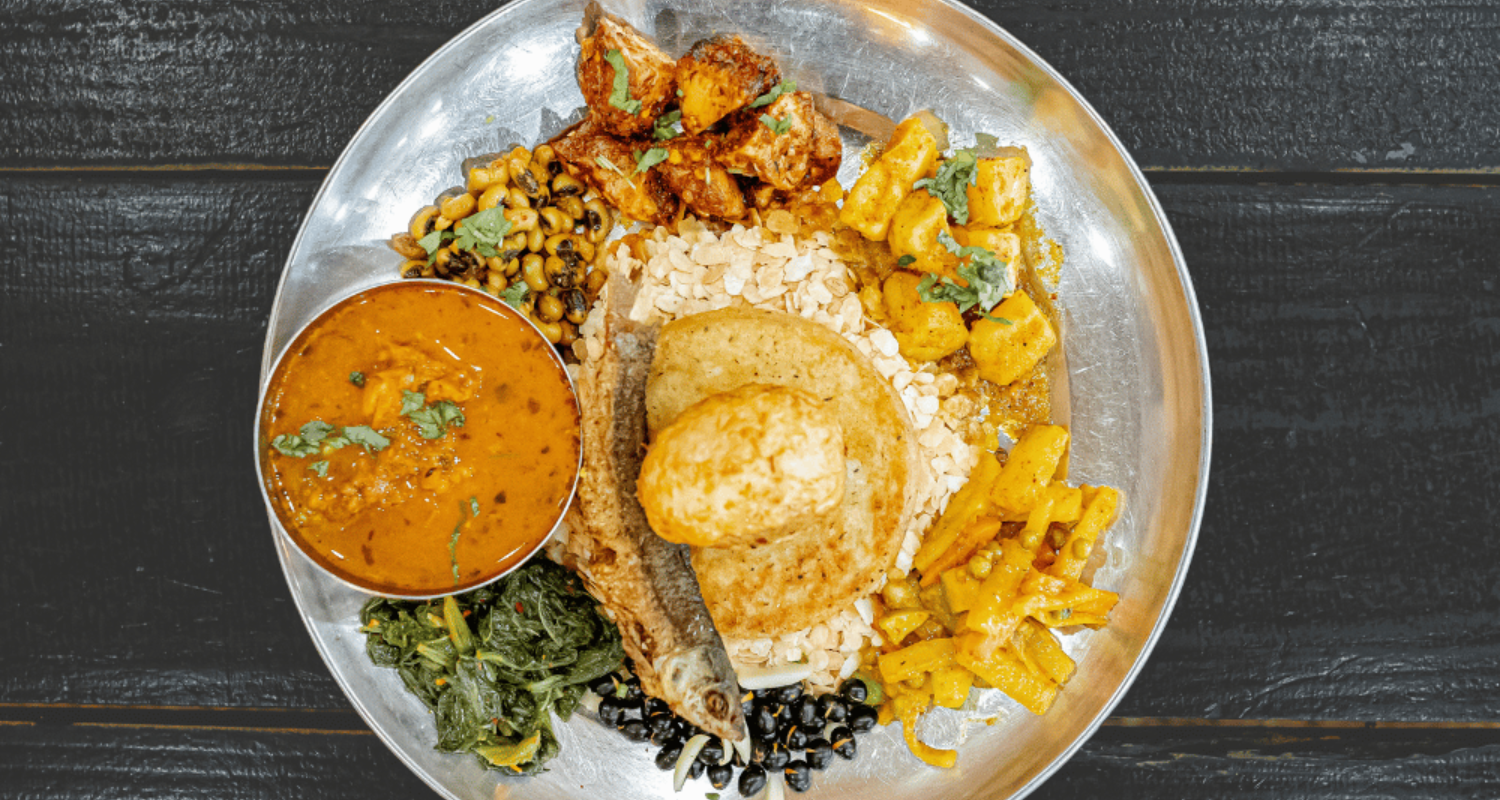
Samay baji is the signature ceremonial platter of the Newar community, built around beaten rice called chiura, spiced marinated meat known as choila, black soybeans, boiled egg, and ginger, often with a small glass of homemade rice liquor. It is served at ritual occasions and family gatherings, and very publicly during Indra Jatra, when towering displays of samay baji appear in Kathmandu's old squares.
Beaten rice (chiura)
Spiced marinated meat (choila), often buffalo
Black soybeans and boiled egg
Fresh ginger and Nepali pickles
Homemade rice liquor, optional
Eating samay baji properly means sitting on the floor around a low table in a traditional Newari home or restaurant in Patan or Bhaktapur, taking small bites of each item rather than mixing them together. If your visit lines up with the street processions of Indra Jatra, you will see this dish offered to deities before it is shared with the crowd.
Yomari: The Sweet Dumpling of Gratitude
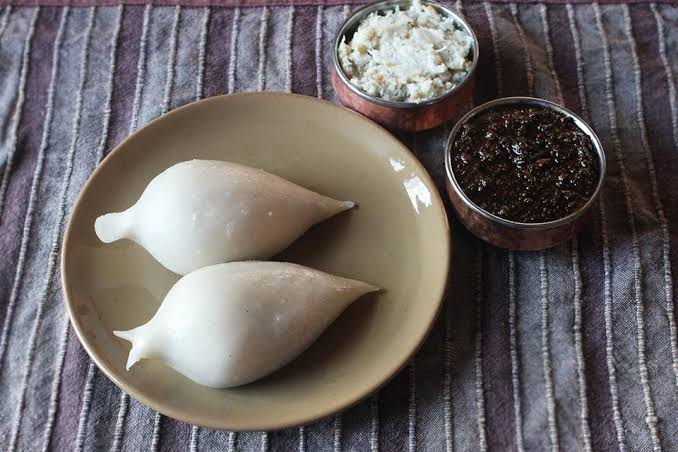
Yomari is a steamed rice flour dumpling shaped like a fish or a teardrop, filled with chaku, a sweet molasses paste, or with khuwa, a milk based filling. Newar families make it every winter for Yomari Punhi, the festival marking the end of the rice harvest, and children go door to door in Bhaktapur and Patan asking neighbors for yomari.
Rice flour dough from the fresh harvest
Chaku (molasses and sesame filling) or khuwa filling
Shaped by hand into a distinctive point
Steamed rather than fried
Yomari Punhi falls in late November or December, which puts it close to the season when many travelers are already building trips around Nepal's festival calendar, including those arriving for our Christmas and New Year Nepal tour. Bhaktapur's narrow streets during Yomari Punhi are quieter than during the big spring festivals, which makes the food and the small household rituals easier to actually watch.
Gundruk: The Sour, Fermented Green Leaves
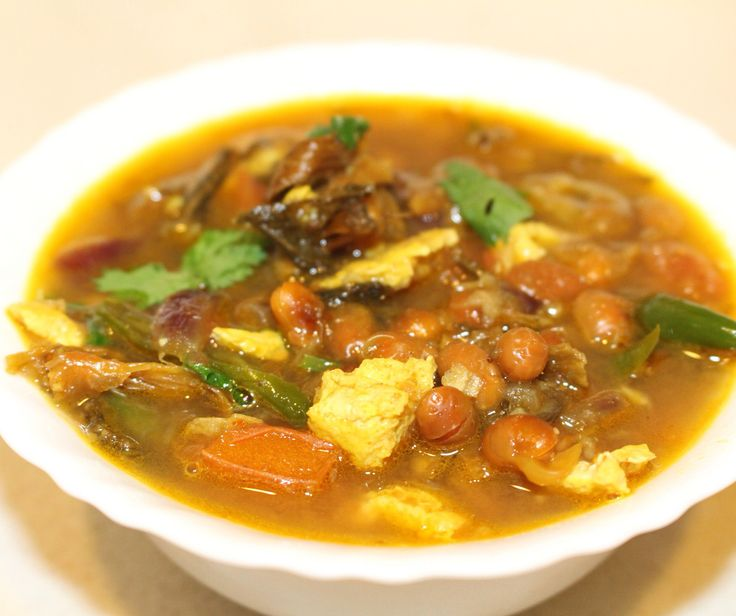
Gundruk is fermented and sun dried leafy greens, usually mustard, radish, or cauliflower leaves, packed tightly and left to ferment before drying in the sun. The result is a sharp, sour flavor that shows up as a soup, a side pickle, or an ingredient stirred through dal, and it has been a way to preserve vegetables through Nepal's long winters for generations.
Mustard, radish, or cauliflower leaves
Fermented in a warm, dark container
Sun dried after fermentation
Cooked into soup or used as a pickle
You will meet gundruk most often in the hills and mountains, where fresh vegetables were historically hard to keep through winter. Trekkers on longer routes tend to be offered gundruk soup as a warming counterpoint to a heavy dal bhat plate, and it is one of the dishes travel writers like the team at Will Fly for Food single out as an underrated introduction to Nepali flavor.
Dhido: The Mountain Cuisine
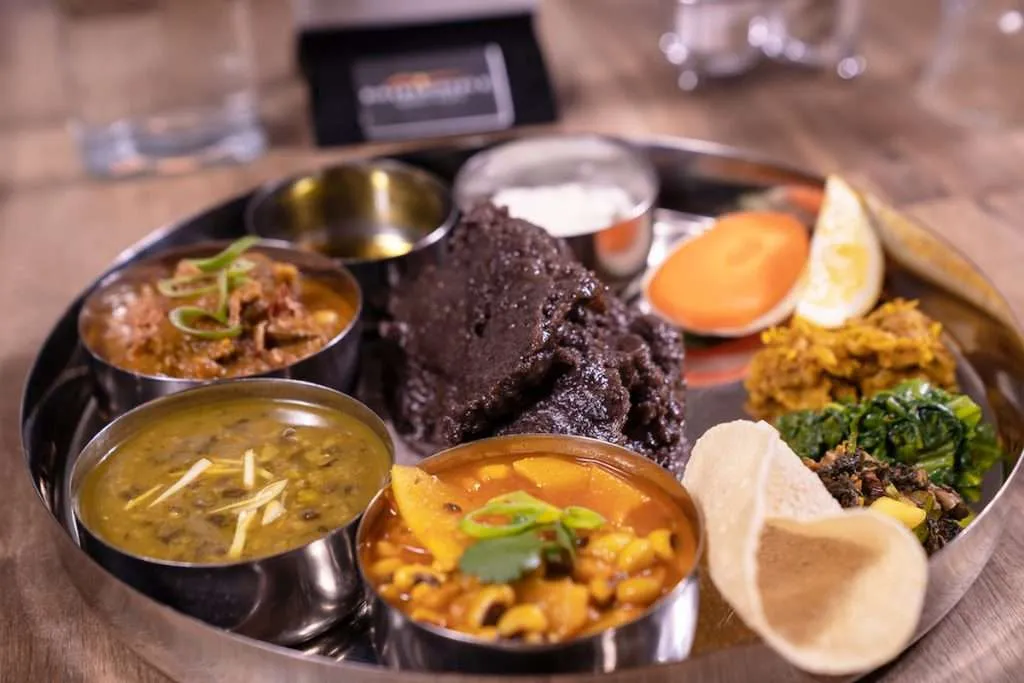
Dhido is a thick, dense porridge made by stirring buckwheat, millet, or corn flour into boiling water until it turns firm and dough like. It has been the staple grain of Nepal's higher hill regions for far longer than rice, which does not grow well at altitude, and it is eaten by hand, pinched into small balls and dipped into dal or curry rather than chewed.
Buckwheat, millet, or corn flour
Boiling water, stirred continuously
Served with dal, curry, or gundruk soup
Eaten by hand in small pinched portions
Dhido is closely tied to Thakali cooking from the Mustang and Kali Gandaki region, where rice historically had to be traded in from lower elevations. If you are traveling toward Upper Mustang for the Tiji festival, a proper Thakali dhido set with jimbu tempered dal is worth planning a meal stop around.
Thukpa: The Trekker's Noodle Soup
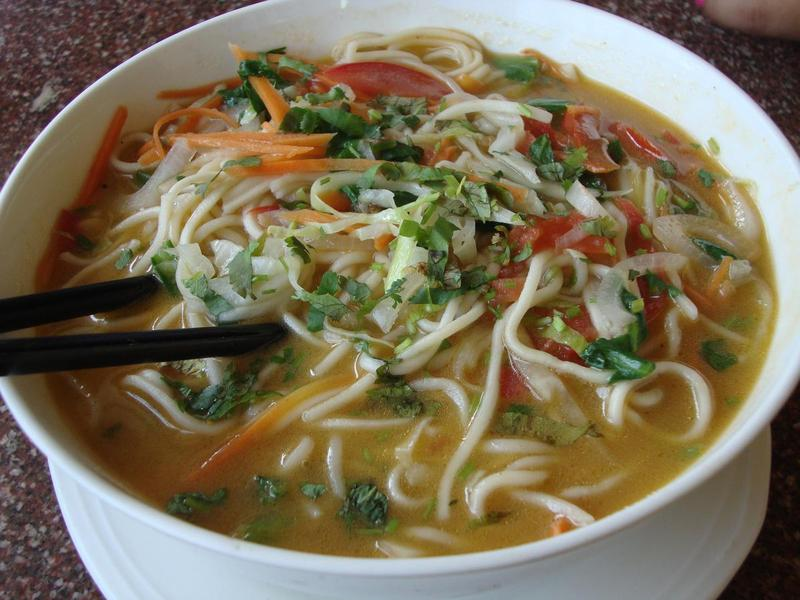
Thukpa is a noodle soup with roots in Tibetan cooking, built on a broth simmered with vegetables and often chicken, buffalo, or yak meat, then loaded with hand pulled or flat noodles. In the high mountains it is closer to a full meal than a starter, thick enough to warm you through a cold teahouse evening after a long day of walking.
Wheat noodles, hand pulled or flat cut
Broth simmered with garlic, ginger, and vegetables
Meat, commonly chicken, buffalo, or yak
Chili paste or achar on the side
Thukpa is everywhere on the Everest and Annapurna trekking routes, and it earns its reputation honestly, since a hot bowl at 4,000 meters does more for morale than almost anything else on a menu. Travelers timing a trip around the Khumbu's biggest cultural event can combine both on our Everest View Trek with the Mani Rimdu Festival, where Sherpa teahouses serve thukpa daily to trekkers heading toward Tengboche.
Juju Dhau: Bhaktapur's "King of Yogurt"
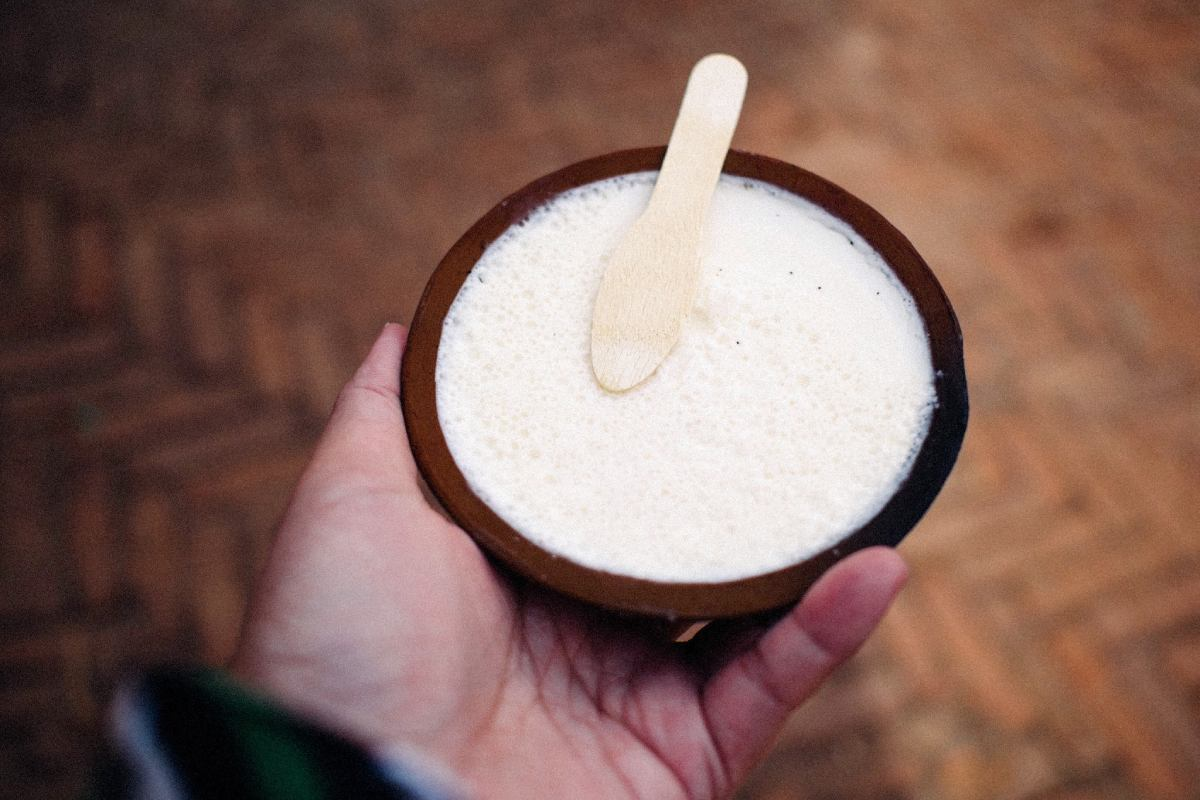
Juju dhau is a thick, custard like yogurt made from buffalo milk, lightly sweetened and set in unglazed clay pots that pull moisture out and give it a dense texture. It traces back to the Malla era in Bhaktapur, and its name translates roughly to king of curds, a nod to Malla royalty once favoring it above all other yogurt in the valley.
Fresh buffalo milk, boiled and sweetened
Live yogurt culture
Set overnight in unglazed clay pots
Served chilled, straight from the pot
Bhaktapur Durbar Square is still the place to try it, with small family run stalls selling juju dhau in the same conical clay cups they always have. It pairs well with a walk through Bhaktapur's brick lanes, and it holds up as one of the more reliably delicious things on this list.
Chatamari: Nepali pizza
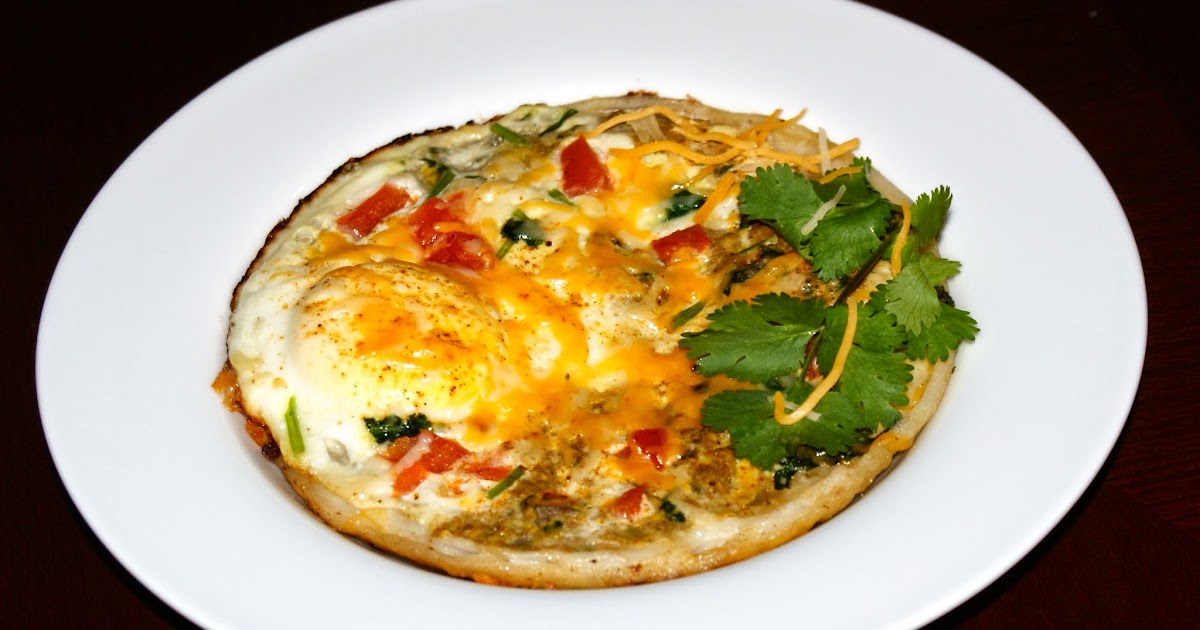
Chatamari is a thin crepe made from fermented rice flour batter, cooked flat on a griddle and topped with minced meat, egg, or vegetables. Newar households often call it Nepali pizza, though the comparison undersells how old the dish is within Newari cooking, where it appears in everyday meals and as one component of the samay baji platter.
Fermented rice flour batter
Minced meat, egg, or vegetable toppings
Cooked flat on a hot griddle
Served warm, cut into wedges
Chatamari shows up on menus throughout Patan and Bhaktapur, and it makes a good lighter option between heavier festival meals if you are spending several days working through Newari food culture in the valley.
A Simple Nepali Food Guide for First Time Visitors
Dish | Food Type | Main Ingredients | Flavor | Where Travelers May Find It |
Dal Bhat | Main meal | Rice, lentils, vegetables, pickle | Mild, savory, with tangy accents | Restaurants, teahouses, trekking lodges nationwide |
Momo | Dumpling | Wheat dough, meat or vegetable filling | Savory, often paired with spicy chutney | Street stalls, restaurants throughout Nepal |
Sel Roti | Sweet bread | Rice flour, ghee, sugar | Mildly sweet | Homes and markets, especially during Dashain and Tihar |
Samay Baji | Feast platter | Beaten rice, meat or egg, soybeans, potato | Varied, mild to spicy | Newar restaurants in Kathmandu, Patan, Bhaktapur |
Yomari | Sweet dumpling | Rice flour, chaku or khuwa filling | Sweet | Sweet shops in Kathmandu Valley, especially near Yomari Punhi |
Gundruk | Fermented greens | Mustard, radish, or cauliflower leaves | Sour, tangy | Restaurants serving traditional Nepali cuisine, hill villages |
Dhido | Staple dish | Buckwheat, millet, or maize flour | Mild, earthy | Traditional restaurants, hill and mountain villages |
Thukpa | Noodle soup | Noodles, broth, vegetables, sometimes meat | Warm, savory | Teahouses and restaurants in Himalayan trekking regions |
Juju Dhau | Yogurt | Sweetened milk, clay pot setting | Thick, creamy, sweet | Bhaktapur, especially near Durbar Square |
Chatamari | Rice crepe | Rice flour base, meat or vegetable toppings | Mild base, flavor from toppings | Newar restaurants in Kathmandu, Patan, Bhaktapur |
What to Know Before Trying Nepali Food
A few practical points can help travelers enjoy Nepali food comfortably and responsibly.
Spice levels vary widely between dishes and regions. Some accompaniments, particularly achar and certain vegetable preparations, can be quite spicy, so it is reasonable to ask about spice level before ordering if you are unsure.
Vegetarian options are widely available in Nepal, including vegetarian dal bhat sets, vegetable momo, and plain or vegetable topped chatamari. Many restaurants can accommodate vegetarian requests.
Food hygiene varies between establishments, as it does in most countries. Choosing busy restaurants with high customer turnover is a reasonable general practice.
Drinking water should generally be from sealed bottled water or a trusted filtration source rather than tap water, particularly for travelers unfamiliar with local water conditions.
Street food can be a rewarding way to try local dishes, but it is worth observing how freshly food is prepared and how busy the stall is before deciding where to eat.
Communicating dietary restrictions clearly and simply, ideally in advance, helps kitchens accommodate allergies or preferences, particularly outside major tourist areas.
Eating etiquette in many Nepali households includes eating with the right hand, and it is common to remove shoes before entering a kitchen or dining area in some homes. Observing local hosts is a good way to learn appropriate customs.
Portion sizes for dishes like dal bhat can be generous, and refills are often offered without extra charge in many restaurants and lodges.
Trying local food responsibly also means supporting small, local eateries where appropriate, being respectful of religious or cultural food practices, such as certain dietary restrictions observed by some communities, and avoiding waste when portions are generous.
Nepali Food by Region
Kathmandu Valley: Home to a wide range of Newar dishes such as Samay Baji, Yomari, and Chatamari, alongside widely available foods like momo and dal bhat. The valley's food culture is closely tied to festivals and community gatherings.
Hills: Hill regions across Nepal rely on grains, lentils, and vegetables suited to terraced farming, with dishes such as gundruk and various forms of dhido appearing in many hill communities, though preparation and frequency vary by area and household.
Mountain regions: In high altitude areas near the Himalayas, food shows stronger Tibetan influence, including noodle soups like thukpa and various steamed dumplings, reflecting both the climate and cultural ties with neighboring Tibetan communities.
Terai: The plains of southern Nepal share culinary overlap with neighboring parts of North India, with wheat based breads and rice dishes featuring alongside regional spice profiles that can differ from hill and mountain cooking.
Nepali Festival Foods Travelers Should Know
Food and festivals are closely connected in Nepal, with certain dishes prepared specifically for particular occasions.
During Dashain, Nepal's largest festival, families gather for feasts that often include meat dishes and sel roti, along with other household specific preparations. Travelers curious about this celebration can look into the Dashain Festival Tour in Nepal for a closer look at how the festival is observed.
Tihar, the festival of lights, also features sel roti prominently, along with sweets shared between family members and neighbors. The Deepawali Festival Tour in Nepal covers this period in more detail.
Yomari Punhi, observed primarily by Newar communities, centers on the preparation and sharing of yomari to mark the end of the rice harvest.
Indra Jatra, a major Kathmandu Valley festival, brings crowds into the streets of Kathmandu for processions and celebrations, during which local food stalls and Newar dishes become part of the festive atmosphere. Travelers interested in this event can read more about the Indra Jatra Cultural Festival Tour.
Other occasions, such as Holi and Maha Shivaratri, also bring their own food traditions and gatherings, and travelers planning trips around these dates may find the Holi Festival Tour in Nepal or the Maha Shivaratri Nepal Tour useful for planning purposes. For those interested in Himalayan festival traditions further east, the Everest View Trek with Mani Rimdu Festival combines trekking with a Sherpa Buddhist festival, and travelers heading toward Mustang may want to explore the Upper Mustang Tiji Festival Jeep Tour. Those visiting around the winter holidays might also consider the Christmas and New Year Nepal tour, while travelers with a pilgrimage focus can look into the Buddha Jayanti pilgrimage in Kathmandu and Lumbini.
Food Safety Tips for Travelers
Nepali street and restaurant food is generally safe with the same judgment you would use anywhere new, and most travelers eat well here without issue.
Choose stalls and restaurants with visible turnover and steady local customers
Stick to bottled or properly filtered water, including for ice
Eat momo and meat dishes hot and freshly cooked rather than sitting out
Ease into fermented foods like gundruk gradually if your stomach is sensitive
Carry rehydration salts and a basic stomach remedy on longer treks, where clinics are farther apart
None of this should discourage you from trying the dishes on this list. It is simply common sense.
Final Thoughts on Nepali Food
Nepali food is a wonderful part of the travel experience, offering a mix of flavors, traditions, and regional influences. From popular dishes such as dal bhat and momo to Newari specialties and Himalayan favorites, each meal gives travelers another way to discover Nepal. Trying local food in places such as Kathmandu, Thamel, Patan, and the trekking regions can make your journey more memorable and help you experience Nepal beyond its landscapes.
At Thamel Travels and Tours, we help travelers experience Nepal through trekking, cultural tours, city visits, and local experiences. Our team can help you plan a trip that combines Nepal’s food, culture, heritage sites, festivals, and Himalayan landscapes, whether you are visiting for the first time or returning to explore more of the country.
Frequently Asked Questions
What is the most popular food in Nepal?
Dal bhat and momo are both widely eaten and easy to find throughout Nepal, making them two of the most commonly encountered foods for travelers.
What is the national food of Nepal?
Dal bhat is generally regarded as Nepal's national dish, though it is not the only meal eaten daily by every household or community.
Is Nepali food spicy?
Nepali food ranges from mild to spicy depending on the dish and the region. Many main dishes are mild, while certain pickles, chutneys, and side preparations can be notably spicy.
What is the difference between Newari food and Thakali food?
Newari food comes from the Newar community of the Kathmandu Valley and includes samay baji, yomari, and chatamari, often tied to rituals. Thakali food comes from the Mustang and Kali Gandaki region and is known for a structured, precisely balanced dal bhat style, including dhido as a traditional base.
What vegetarian food can travelers eat in Nepal?
Vegetarian dal bhat, vegetable momo, and vegetable topped chatamari are widely available, and many restaurants in tourist areas can prepare vegetarian versions of popular dishes on request.
Where is the best place to try Newari food?
Patan and Bhaktapur have the deepest concentration of traditional Newari restaurants, with good options in Kathmandu's older neighborhoods too.
What should I eat while trekking?
Dal bhat and thukpa are the most reliable teahouse options, filling and suited to cold weather and long walking days.
Is Nepali food suitable for first time travelers?
Yes, Nepali food generally suits first time travelers well, since many core dishes are mild, and vegetarian options are widely available. Travelers with specific dietary needs should communicate clearly with restaurant staff.
Is street food in Kathmandu safe to try?
Generally yes, if you choose busy stalls with high turnover and food cooked fresh in front of you.