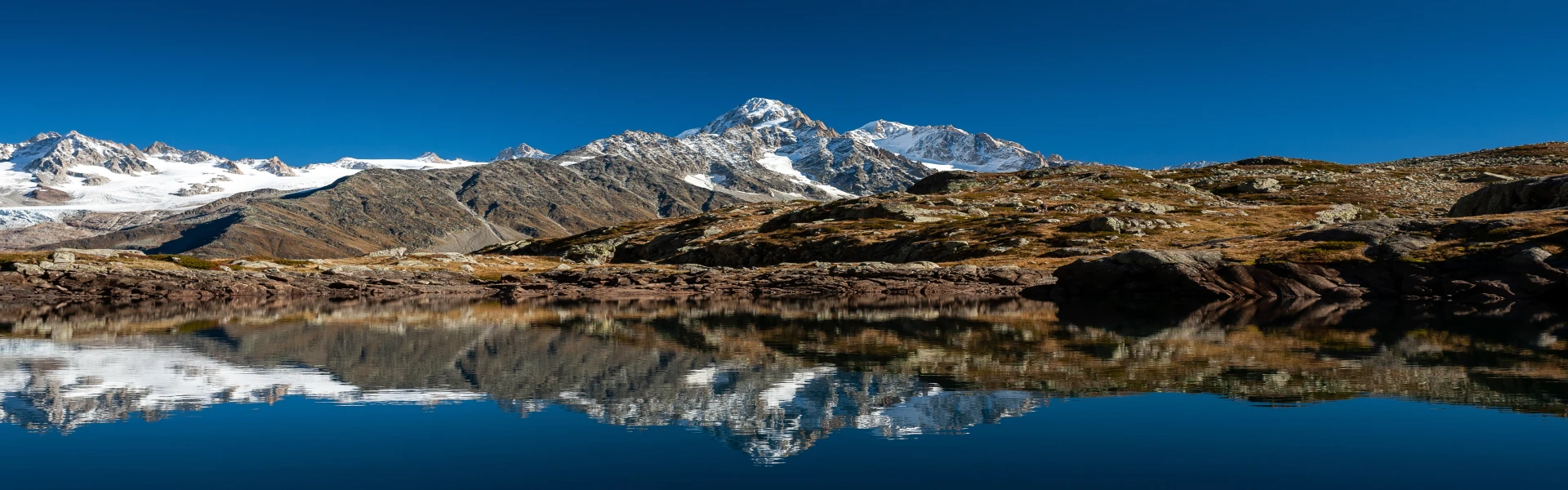
Langtang Valley Trek: The Perfect Short Himalayan Trek for Beginners and Nature Lovers
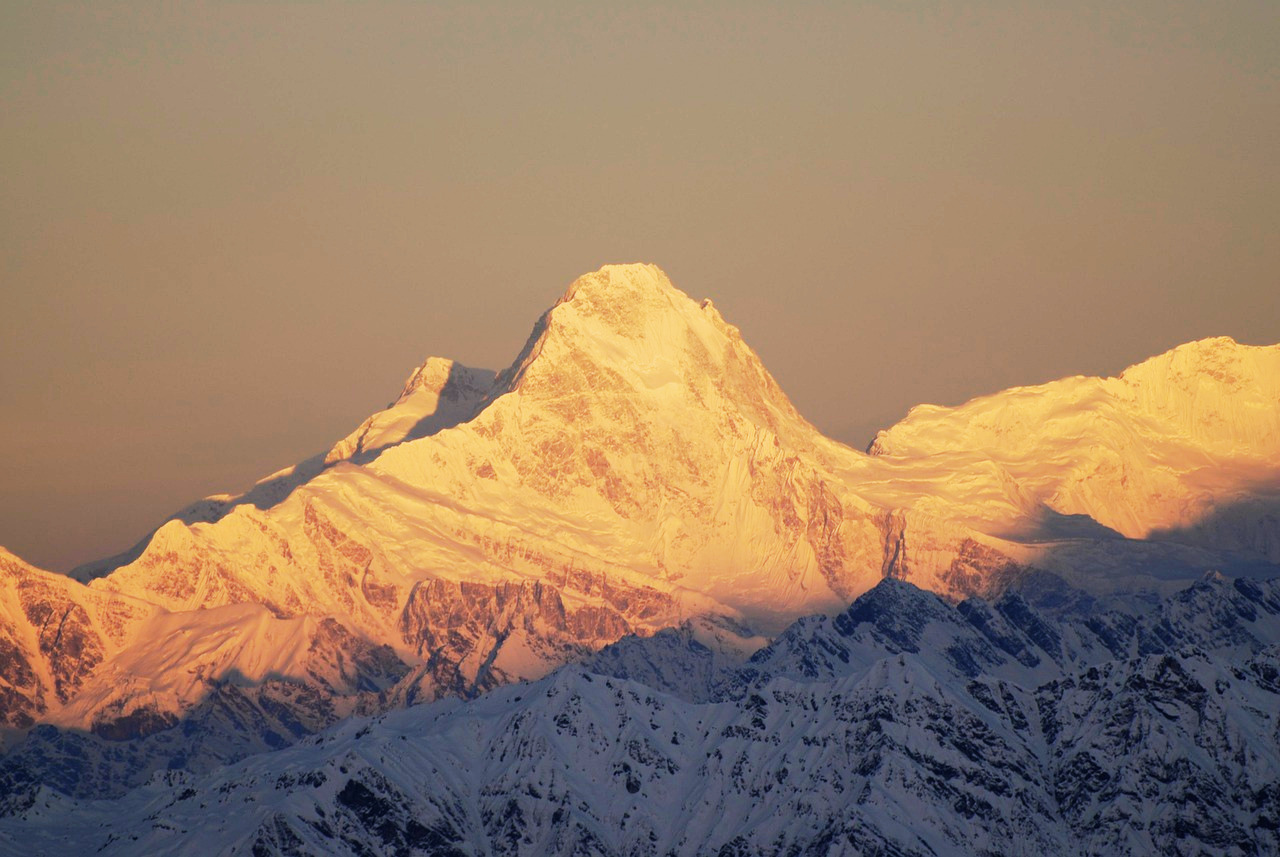
If you are looking for a short Himalayan adventure that showcases Nepal's beautiful mountain landscapes, rich local culture, and scenic trekking trails, the Langtang Valley Trek is an excellent choice. Located just a few hours' drive from Kathmandu, this trek offers everything a traveler seeks in a Himalayan journey, from beautiful snow-covered peaks and lush forests to peaceful mountain villages and a relaxing atmosphere away from the crowds.
Langtang Valley trek has become one of Nepal's most popular short routes, and for good reason. It is manageable for beginners, friendly for families, and is short enough to fit into a standard two-week holiday. Along the way, you will be walking beneath Langtang Lirung, passing through rhododendron and bamboo forests, crossing the Langtang Khola on swaying suspension bridges, and spending time in Tamang villages where Tibetan Buddhist traditions are still part of daily life. The trail also brings you to Kyanjin Gompa, a small monastery settlement that marks the heart of the valley.
In this guide, we'll cover everything you need to know about the Langtang Valley Trek, including its highlights, difficulty level, itinerary, best time to visit, preparation tips, permits, and frequently asked questions, giving you all the information you need before you start your journey.
Key Highlights of the Langtang Valley Trek
The Langtang Valley Trek offers many memorable experiences, even though it is considered a relatively short trek. From beautiful mountain views and peaceful forests to ancient monasteries and traditional Tamang villages, every day brings something new in this trek. The following are some of the main highlights of the trek.
Beautiful views of Langtang Lirung and the surrounding Himalayan peaks
Explore Langtang National Park, home to red pandas, langur monkeys, and over 250 bird species
Visit Kyanjin Gompa Monastery, one of the region's oldest religious sites
Hike to Kyanjin Ri or Tserko Ri for close-up mountain panoramas
Experience authentic Tamang culture in villages along the trail
Walk through rhododendron, bamboo, and pine forests
Cross suspension bridges over the fast-flowing Langtang Khola
Taste fresh yak cheese at the famous Kyanjin cheese factory
Why Choose the Langtang Valley Trek?
With so many trekking routes in Nepal, choosing the right one can be difficult. The Langtang Valley Trek stands out for its easy accessibility, affordable cost, beautiful scenery, and rich cultural experiences. Here are some of the reasons why many trekkers choose this route.
One of the closest Himalayan treks from Kathmandu, with just a single day's drive to the trailhead
Perfect for beginners and first-time trekkers who want a manageable introduction to high-altitude walking
Less crowded than Everest and Annapurna, so trails and teahouses feel calmer
Short duration with rewarding scenery, meaning you don't need weeks of holiday time
Affordable trekking destination compared to longer, more established routes
Rich local culture and hospitality, with genuine Tamang and Tibetan-Buddhist traditions along the way
Preparation and Essentials for Beginners and Families
Good preparation makes the difference between an enjoyable trek and an uncomfortable one, especially if you are new to high altitude. A little planning ahead of time goes a long way once you're on the trail. Let's explore the key points below.
Best Time to Visit: Spring (March to May) and autumn (September to November) are the strongest seasons for this trek. Spring brings rhododendron blooms to the lower forests, while autumn gives you the clearest skies and steadiest weather. Winter is possible but cold, and the monsoon months bring rain and poor visibility, so most trekkers avoid that window.
Essential Packing List: You will need sturdy hiking boots, a warm down jacket, fleece layers, a waterproof outer shell, thermal base layers, and a sleeping bag rated to at least -10°C. Trekking poles, a headlamp, sunglasses, sunscreen, and a water purification method round out the basics. A duffel bag for your porter and a smaller daypack for yourself will keep things organized.
Physical Fitness Required: You don't need mountaineering experience, but a reasonable baseline of fitness helps a lot. Regular walking, hiking, or stair training in the weeks before your trip will prepare your legs and lungs for consecutive days on the trail.
Health and Safety Tips: Drink plenty of water, pace yourself, and eat well throughout the trek. Guides on this route are trained to spot early signs of altitude sickness, so speak up if you feel unwell rather than pushing through it.
Altitude Awareness: The trek reaches close to 4,000 meters at Kyanjin Gompa, with an optional hike up to nearly 5,000 meters. Altitude gain happens fairly quickly in the first few days, which is why a dedicated acclimatization day is built into the schedule.
Suggested Itinerary for Beginners and Families for the Langtang Valley Trek
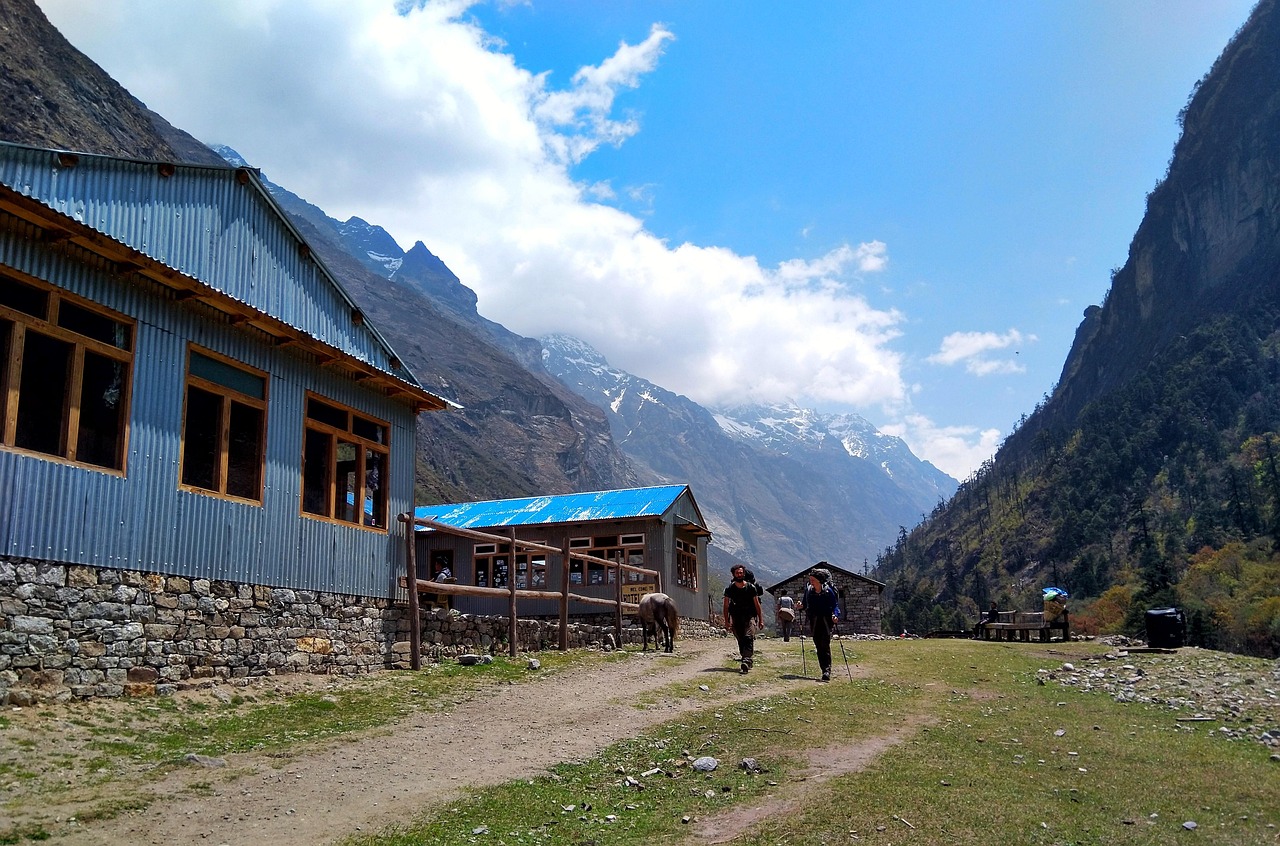
Here's a simplified overview of how the trek typically unfolds over ten days. It's designed to balance walking days with rest, so the pace stays comfortable for beginners and families alike.
Day 1: Arrival in Kathmandu. Settle in, meet your team, and take a relaxed walk around Thamel if you're up for it.
Day 2: Drive to Syabrubesi. A scenic 6-7 hour drive through the hills, with your first proper views of the mountains ahead.
Day 3: Trek to Lama Hotel. Cross a suspension bridge and climb gradually through oak, rhododendron, and bamboo forest.
Day 4: Trek to Langtang Village. The forest thins out as you gain altitude, ending at a village rebuilt after the 2015 earthquake.
Day 5: Trek to Kyanjin Gompa. A shorter walking day past yak pastures and prayer flags, arriving at the highest overnight stop.
Day 6: Explore Kyanjin Ri or Tserko Ri. Your acclimatization day, with an optional hike to one of two nearby viewpoints for close-up mountain views.
Day 7–10: Return to Kathmandu. Retrace the trail back down to Syabrubesi, then drive back to Kathmandu for your final night and departure.
Looking for a complete day-by-day itinerary? Explore our 10-Day Langtang Valley Trek Package for detailed information on accommodation, meals, and daily trekking distances.
How Difficult is the Langtang Valley Trek?
Difficulty is usually the first question people ask, and it's a fair one. This trek sits in the moderate category, which means it's achievable for most reasonably fit people, but it still asks something of you.
Walking days typically run 6 to 7 hours, with a few shorter days built in for recovery. Trail conditions are generally well-maintained, following forest paths, riverside trails, and a handful of suspension bridge crossings. Elevation gain is steady rather than extreme, taking you from 1,550 meters at Syabrubesi up to 3,870 meters at Kyanjin Gompa, with an optional push higher on the acclimatization day.
For beginners, this trek is a solid starting point. Previous trekking experience is not mandatory, though some prior hiking or walking fitness certainly helps. Taking the altitude seriously and pacing yourself matters more than any technical skill.
Why the Langtang Valley Trek is Perfect for Beginners
Several factors make this route particularly welcoming for beginner trekkers trying high-altitude trekking for the first time. It combines a moderate challenge with comfortable teahouse accommodation and well-established trails.
The moderate difficulty level means you won't need specialized training or gear beyond standard trekking equipment. Teahouses along the route are comfortable, offering warm meals and a bed after each day's walk, so you're never roughing it entirely. The trails themselves are well-established and easy to follow, reducing the guesswork for first-timers. Trekking days are also shorter than what you'd find on routes like Everest Base Camp, and the maximum altitude here is lower, too, which lowers the risk of severe altitude sickness. On top of all that, the short drive from Kathmandu means less time spent in transit and more time actually trekking.
What Makes the Langtang Valley Trek Unique?
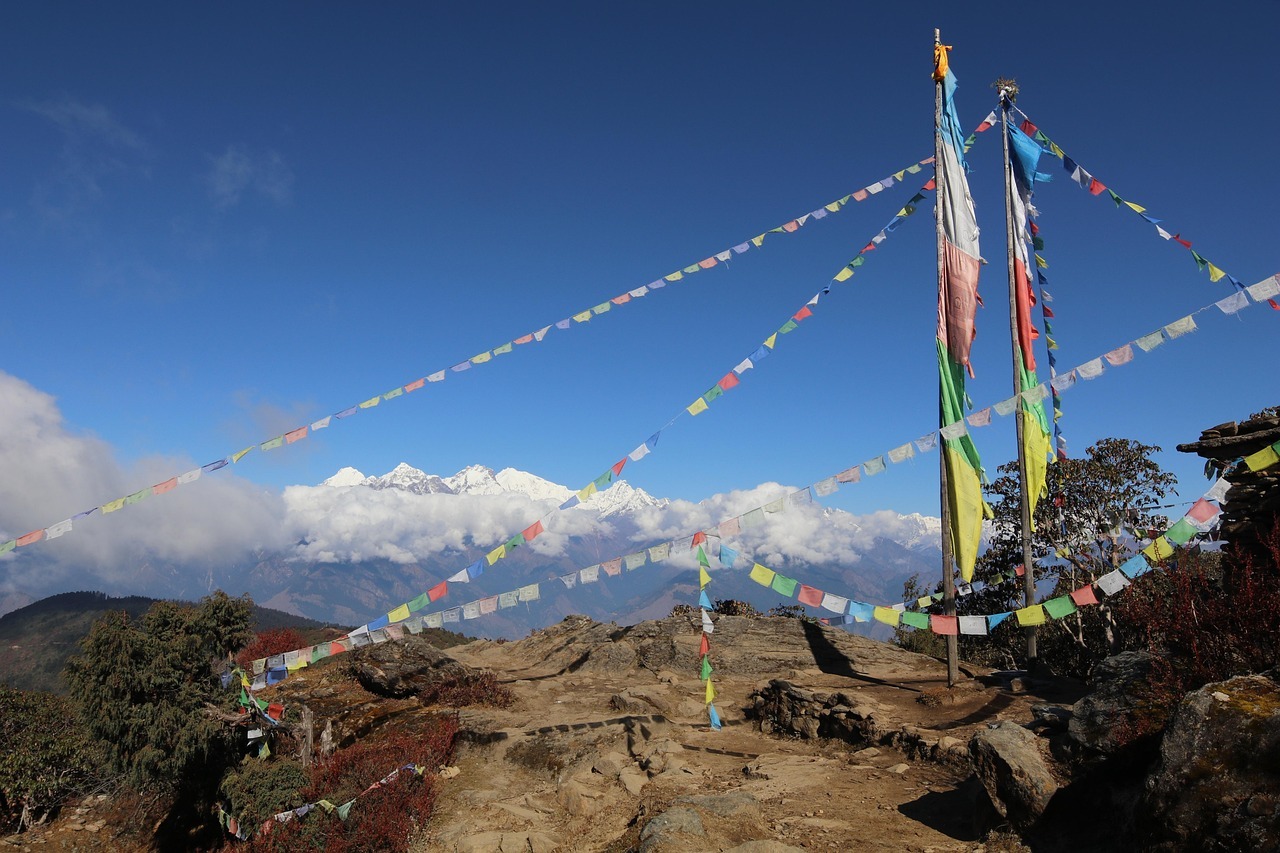
What makes the Langtang Valley Trek unique comes down to a mix of things you don't usually find together on one short trek.
Start with Langtang Village itself. It was destroyed in the 2015 earthquake, but the local community rebuilt it from the ground up, and today it stands as a place with real character and quiet strength. Walking through it, you'll see prayer flags moving in the wind, old stone walls carved with prayers, and small stone houses that have been part of this valley for generations. This isn't culture on display for tourists. It's just how people here live every day.
Further along the trail, you reach Kyanjin Gompa, an old monastery that adds a calm, almost spiritual feel to the trek, something you don't always get on a mountain route focused purely on views. Past the monastery, the trail opens into wide yak pastures, and the whole valley feels bigger and quieter compared to the thick forest you walked through earlier.
One of the biggest differences, though, is how few people you actually meet on this route. Everest and Annapurna stay busy most of the year, but Langtang doesn't get anywhere near that traffic. That means more space, more quiet, and more time to actually take in the glaciers and mountains around you without feeling rushed.
Put it all together, and Langtang gives you culture, history, spirituality, and mountain scenery, all in a shorter, calmer trek than most of Nepal's bigger routes.
Conclusion
In conclusion, Langtang Valley Trek brings together everything that makes Himalayan trekking worthwhile, without demanding weeks of your time or years of experience. It works well for beginners easing into high-altitude walking, families looking for a manageable shared adventure, nature lovers drawn to forests and wildlife, and travelers who simply don't have a month to spare but still want the real Himalayan experience.
If you are planning to go on the Langtang Valley Trek, Thamel Travel and Tours is here to help make your journey smooth and memorable. As one of the best travel companies in Nepal, we take care of everything from permits and experienced guides to accommodation and transportation, so you can enjoy the trek without any worries.
Other recommended Blogs
Frequently Asked Questions
- Is the Langtang Valley Trek suitable for beginners?
Yes. It's considered a moderate trek that doesn't require technical mountaineering skills, ropes, or prior high-altitude experience, which makes it a good choice for first-time trekkers with reasonable fitness. The trails are well-established, teahouses are available throughout the route, and the walking days are structured to build up gradually rather than throwing you into steep, exposed terrain right away. As long as you train a little beforehand and take the altitude seriously, this trek is very achievable for someone doing their first Himalayan journey.
- How many days does the trek take?
The standard itinerary runs 10 days, including arrival and departure days in Kathmandu, with about 5 trekking days on the trail itself. This includes the drive to and from Syabrubesi, the walking days up to Kyanjin Gompa, a built-in acclimatization day, and the return journey back down. It's a relatively compact schedule compared to longer routes like Everest Base Camp, which makes Langtang a practical option if you only have around two weeks of holiday time to work with.
- What is the maximum altitude?
Kyanjin Gompa, the highest overnight stop on the standard route, sits at 3,870 meters. Trekkers who choose the optional hike to Tserko Ri on the acclimatization day can reach nearly 4,984 meters, while those who prefer an easier alternative can hike to Kyanjin Ri at 4,773 meters instead. Both viewpoints offer rewarding views of Langtang Lirung and the surrounding peaks, and your guide will help you decide which one suits your fitness and how well you've adjusted to the altitude.
- What is the best season for the trek?
Spring (March to May) and autumn (September to November) offer the most stable weather and best mountain visibility, making them the two most popular windows for this trek. Spring adds the bonus of rhododendron forests in full bloom across the lower elevations, while autumn tends to bring the clearest skies and most consistent conditions for mountain views. Winter treks are possible for those comfortable with cold temperatures, but the monsoon season between June and August is generally best avoided due to rain, leeches, and poor visibility.
- Do I need a guide?
A licensed guide is strongly recommended, and under current regulations, one is required for permit purposes on this route. Beyond the legal requirement, a guide also handles navigation, communicates with teahouse owners, monitors your health as you gain altitude, and knows how to respond quickly if anyone in the group starts showing signs of altitude sickness. This kind of support matters more than most first-time trekkers expect, especially once you're walking above 3,500 meters.
- Is altitude sickness a concern?
Yes, it's a genuine risk on this trek, given how quickly the trail gains elevation over the first few days. That's exactly why a dedicated acclimatization day is built into the itinerary at Kyanjin Gompa, giving your body time to adjust before you go any higher. Staying well hydrated, walking at a steady pace, and telling your guide immediately if you notice headaches, dizziness, or nausea will go a long way toward keeping the trek safe and enjoyable.
- What permits are required?
You'll need a Langtang National Park entry permit and a TIMS (Trekkers' Information Management System) card to complete this trek, both of which are standard requirements for the region. These permits help manage trekker numbers and support conservation efforts within the national park. In most cases, your trekking agency will arrange both of these for you ahead of time, so you won't need to handle the paperwork yourself once you've booked your trip.
- Can families with children do this trek?
Many families do complete this trek successfully, thanks to its shorter overall duration and moderate difficulty compared to longer Himalayan routes. That said, children should have reasonable fitness and some prior walking or hiking experience before attempting consecutive long days on the trail. Altitude affects everyone differently, including children, so it's worth discussing your specific travel dates, ages, and fitness levels with your trekking agency in advance to plan a pace that works for the whole family.